Energy Efficiency and Your Garage Door: The Ultimate Guide
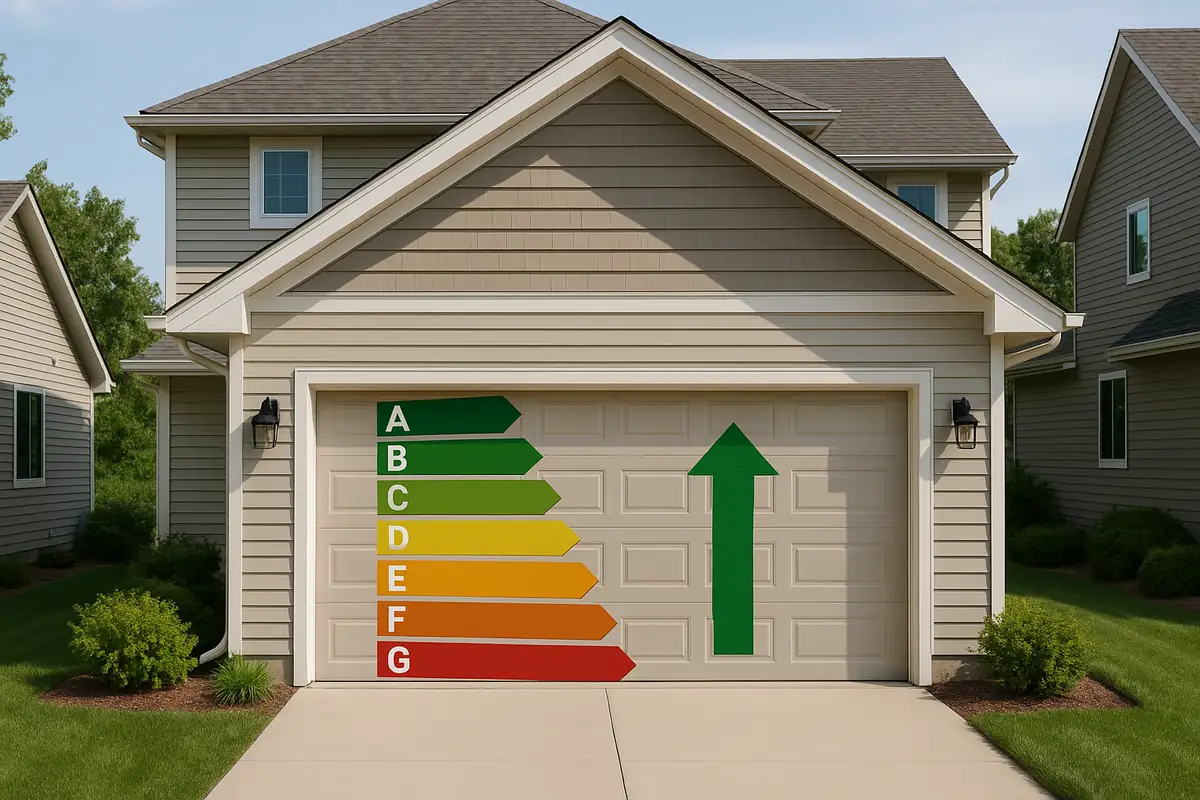
Is your garage door costing you more than it should? Explore the energy efficiency of garage doors and learn how to save on utility bills while improving comfort.

Understanding Energy Efficiency in Garage Doors
When it comes to home energy efficiency, the garage door is often overlooked. However, it plays a significant role in your home's insulation and energy consumption. In Woodburn, OR, where fluctuating temperatures can impact heating and cooling costs, understanding energy-efficient garage doors can result in substantial savings. In this guide, we will explore how garage doors affect energy efficiency, signs you might need a new installation, and practical tips for enhancing your garage door's performance.
The Role of Garage Doors in Home Insulation
Garage doors serve as a barrier between the outdoors and your living space. An inefficient garage door can lead to:
- Increased energy bills
- Uncomfortable garage temperatures
- Potential damage to your vehicle and belongings
Understanding how your garage door affects these factors is crucial, especially if you use your garage as a workspace or additional storage.
Types of Garage Doors and Their Insulation Properties
There are several types of garage doors to consider when evaluating energy efficiency:
- Steel Garage Doors: Highly durable and often feature insulation that provides excellent energy efficiency.
- Fiberglass Garage Doors: Lightweight and resistant to dents, they usually come with good insulation properties.
- Wood Garage Doors: While aesthetically pleasing, they require regular maintenance to ensure energy efficiency.
- Aluminum Garage Doors: These are lightweight and corrosion-resistant but often require additional insulation.
Signs Your Garage Door is Not Energy Efficient
Recognizing the signs of an inefficient garage door is the first step to improving energy efficiency. Look out for:
- Drafts or cold spots when the garage door is closed.
- Increased energy bills, especially in colder months.
- Visible cracks, gaps, or damage to the door.
- Excessive noise when operating the door.
Choosing the Right Garage Door Insulation
The insulation of your garage door can significantly affect your home’s energy efficiency. Here are key factors to consider:
R-Value Considerations
The R-value measures insulation's effectiveness. Higher R-values indicate better insulation. Here’s a quick guide:
- R-10 to R-12: Suitable for moderate climates.
- R-14 to R-16: Ideal for regions with significant temperature variations.
- R-18 and above: Best for extremely cold areas.
Material Choices
When shopping for garage doors, consider the materials:
- Insulated Steel: Best for energy efficiency and durability.
- Vinyl: Low maintenance and decent insulation, though often pricier.
- Wood: Offers character but can be less energy-efficient unless well-insulated.
Practical Tips for Improving Garage Door Efficiency
Enhancing your garage door's energy efficiency can be straightforward. Consider these practical tips:
Regular Maintenance
Schedule consistent maintenance checks with A to Z Garage Door Repair to ensure:
- Proper sealing and weather stripping are intact.
- All moving parts are lubricated and functioning well.
- Insulation is intact and effective.
Weather Stripping Installation
Installing weather stripping can significantly reduce drafts and energy loss. Here’s how to do it:
- Measure the perimeter of your garage door.
- Purchase the appropriate weather stripping material.
- Follow the manufacturer's instructions for installation.
Upgrade Your Garage Door
If your garage door is old or inefficient, upgrading can provide immediate benefits. Modern garage doors offer better insulation and energy efficiency, resulting in cost savings.
Statistics on Energy Efficiency and Garage Doors
Consider these compelling statistics regarding energy efficiency:
- According to the U.S. Department of Energy, about 15% of heat loss in homes can be attributed to garage doors.
- A well-insulated garage door can save homeowners up to 20% on their heating and cooling bills.
- Energy-efficient garage doors can add to the overall property value, making them a worthy investment.
Conclusion: Invest in Your Garage Door's Efficiency
In conclusion, your garage door plays a crucial role in your home's overall energy efficiency. By understanding the factors that affect energy loss and incorporating practical solutions, you can enhance comfort, save on utility bills, and increase your property value. If you're located in Woodburn, OR, and need assistance, don’t hesitate to contact A to Z Garage Door Repair. Our team is ready to help you with maintenance, repairs, or installation of energy-efficient garage doors!
Explore More Resources
Related Articles
Service Areas
We proudly serve Woodburn, West Woodburn, Gervais, Hubbard, McKee and more areas.
Our Services
Professional garage door repair, spring repair, opener installation and more. View all services →
How to Extend the Life of Your Garage Door: Expert Tips from A to Z Garage Door Repair
Signs Your Garage Door Opener Needs Replacement | A to Z Garage Door Repair